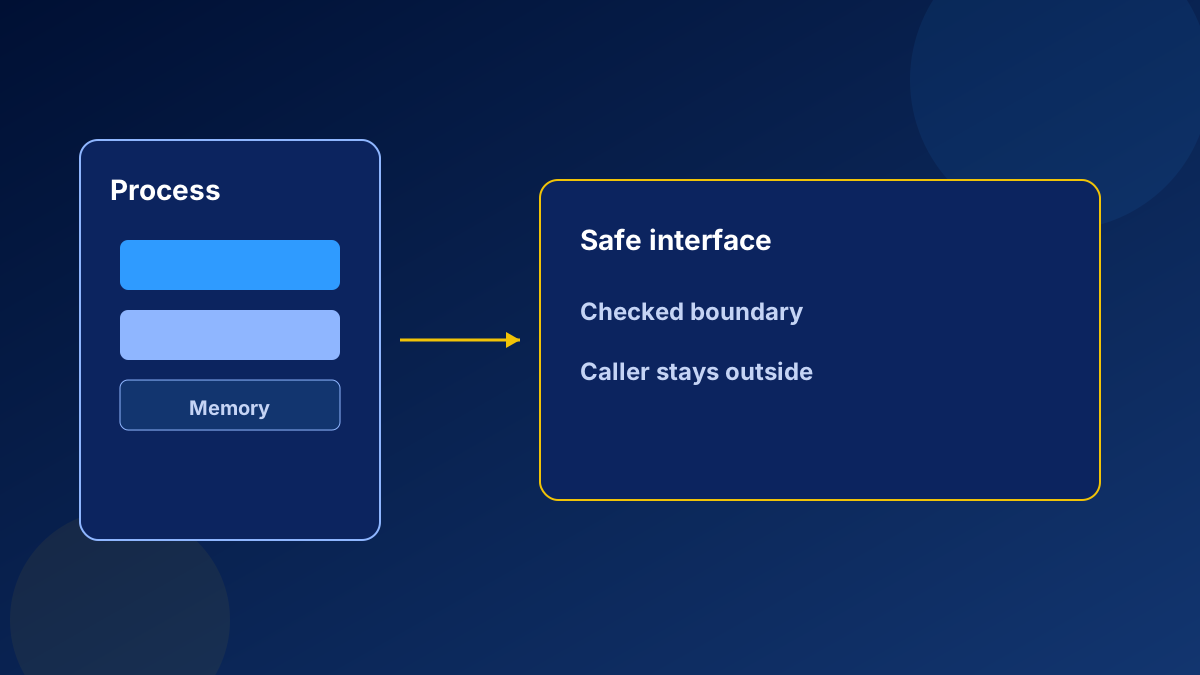
Rust’s official book presents ownership as the language’s central feature for memory safety without a garbage collector. Values have an owner. When the owner goes out of scope, the value is dropped. Borrowing lets other code use a value under rules the compiler checks: shared references or a single mutable reference, not both at once in a way that would create a data race in safe code. That model is why Rust shows up in infrastructure where a C or C++ component would otherwise require careful manual memory management: parsers, network services, command-line tools, and some data-plane components. The Rust Programming Language
The earlier title of this note called Rust the future of systems programming. That overstates a language choice. Large estates will keep running Java, Go, Python, C, and C++ for as long as those systems are the ones operators know how to patch. A rewrite for its own sake is a reliability risk. Rust is a strong candidate when the team is writing new systems code and can accept the learning cost of the borrow checker, or when a specific component has had memory-safety defects. It is a weak candidate when the problem is product behavior, data modeling, or a service that is already stable in another language.
What the compiler does not decide
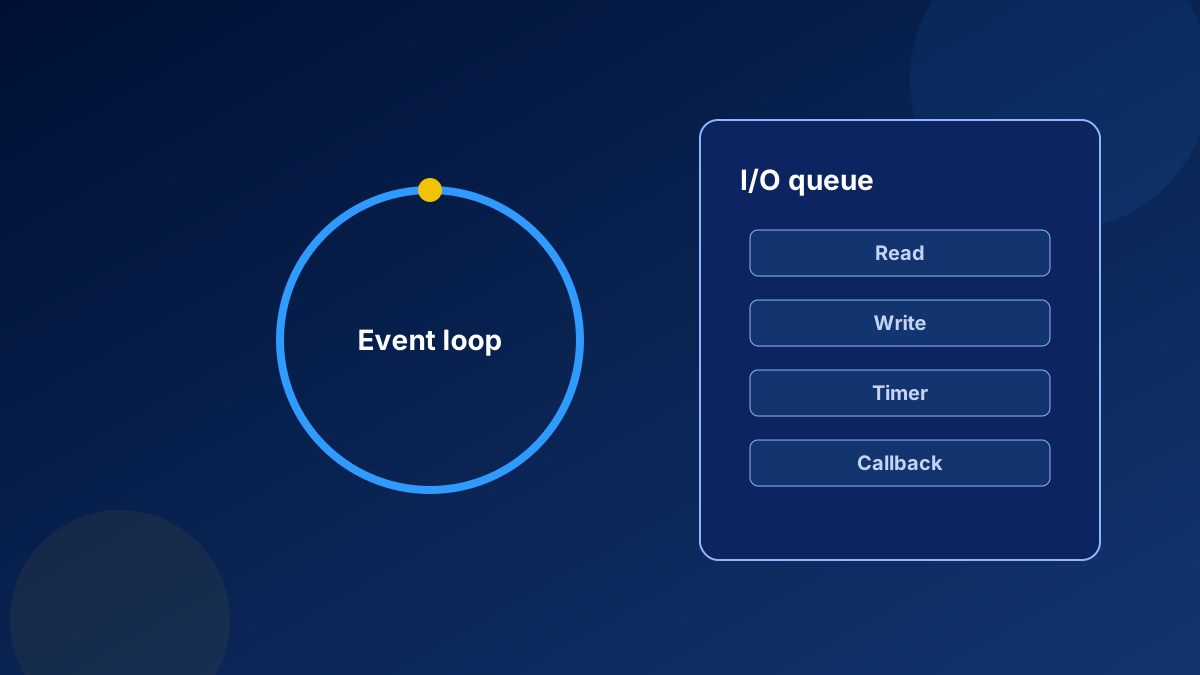
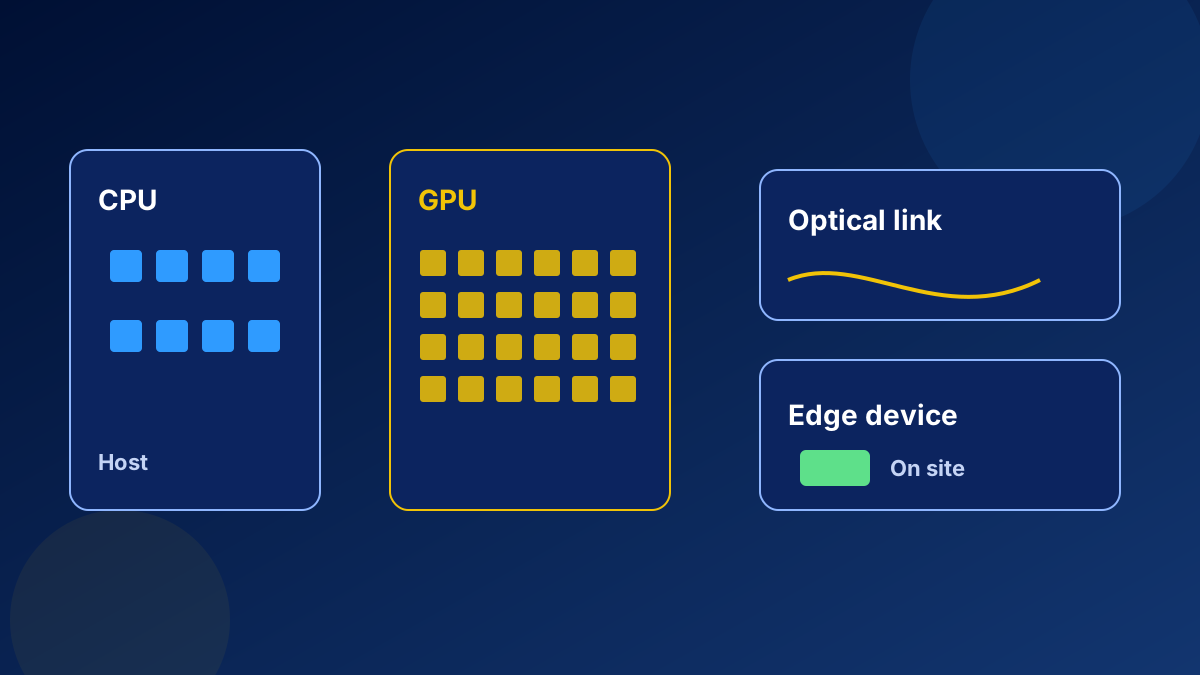
Ownership does not choose a distributed architecture, a GPU, or an authorization model. Unsafe blocks exist because some interfaces, especially to other languages and to hardware, cannot be expressed in safe Rust alone. Those blocks need review. Async runtimes and web frameworks are ecosystem choices. The language does not include them as a single official application server.
For platform work, a more common decision is whether the control plane should be a Kubernetes controller. Controllers can be written in Rust, using community libraries listed by the Kubernetes documentation, or in other languages that can call the Kubernetes API. The operator pattern, not the language, is the design constraint. See the operator note.