Kubernetes automates the deployment and operation of containers. An operator extends that idea to an application Kubernetes does not know how to run by itself. The Kubernetes documentation defines operators as software extensions that use custom resources and follow the control loop: observe the desired state, observe the actual state, and act to close the gap. They are clients of the API server. They do not require changing Kubernetes’ own code. Operator pattern
What the pattern is for
The documented examples are operational tasks a human operator would otherwise repeat: deploy an application on demand, take and restore backups, upgrade the application together with schema changes, publish a service, or run a controlled failure test. A typical installation adds a custom resource definition and a controller. The controller usually runs as a normal deployment, outside the control plane. Users then create or edit the custom resource. The controller reconciles it.
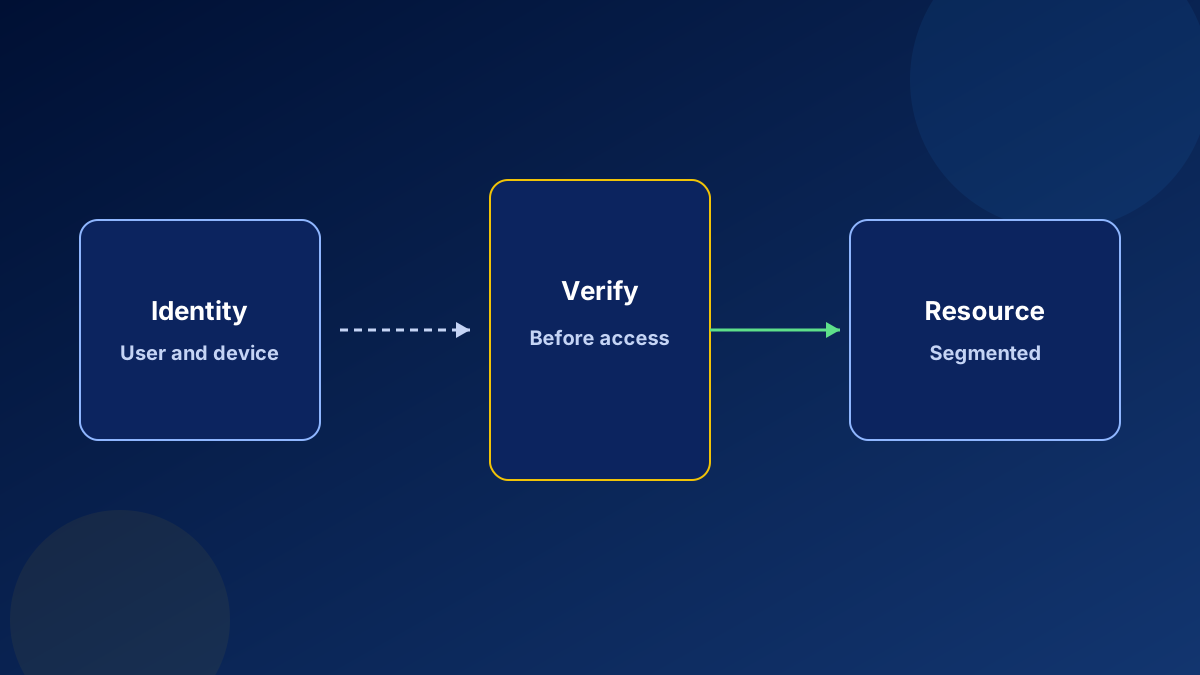
That is a powerful automation surface, which is why the permissions on the controller matter. A controller that can create workloads and read secrets is a privileged identity. Give it only the API rights its reconciliation needs, and treat its image and its custom-resource schema as production code. An operator is not a place to hide an unbounded script, and it is not an AI agent. If a model suggests a manifest, a person or a policy check should still decide whether the custom resource changes.
GPU workloads are not what the operator pattern means
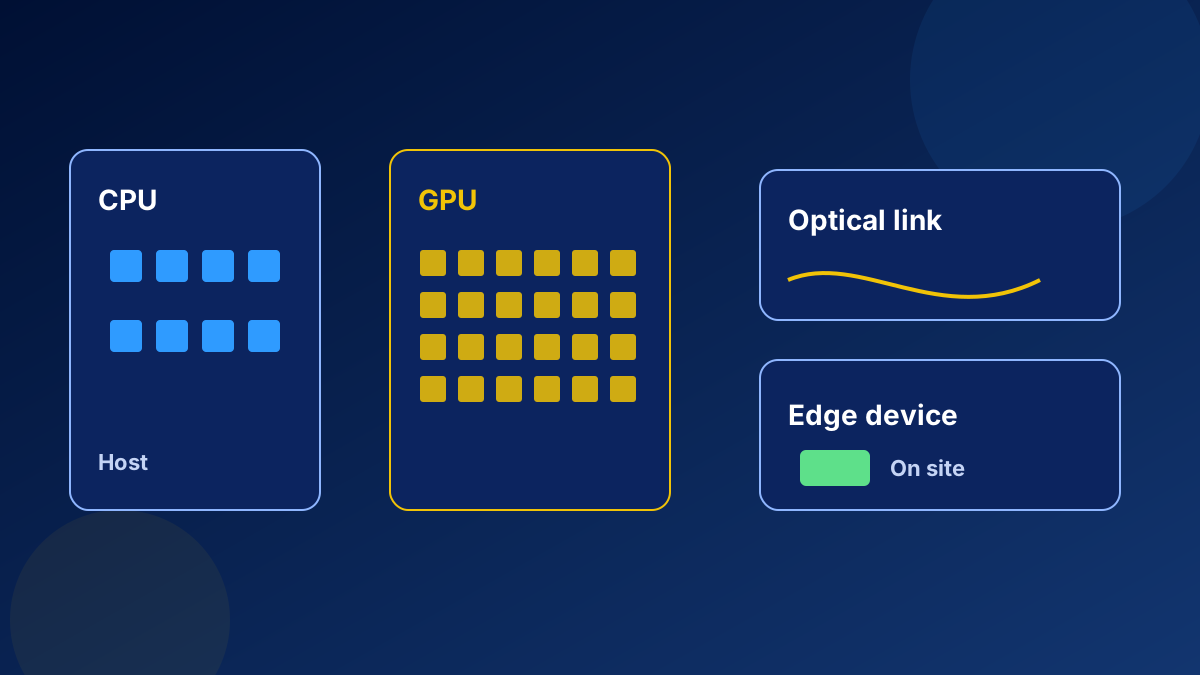
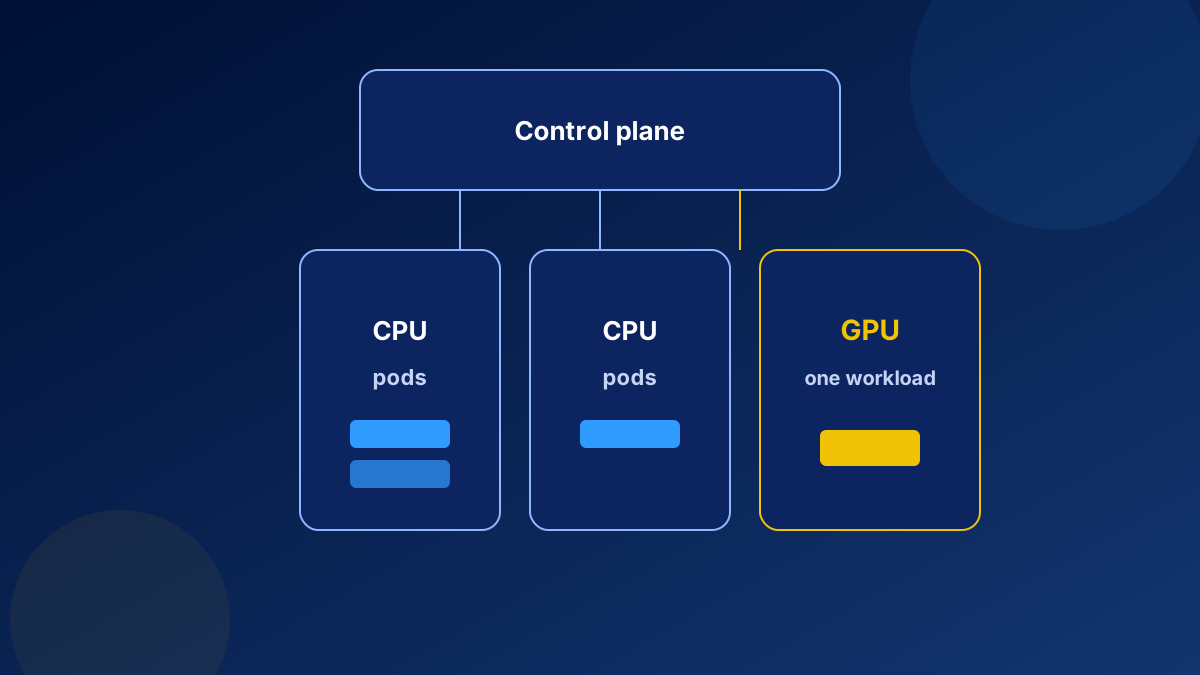
Teams sometimes use “operator” loosely for anything installed in the cluster. The NVIDIA GPU Operator is a specific product that uses the operator pattern to install drivers, the container toolkit, the device plugin, and related monitoring on GPU nodes. Kubernetes itself schedules a pod onto a node only when the pod’s resource requests can be met. GPUs appear as extended resources, such as nvidia.com/gpu, after a device plugin registers them. Pods request them in limits. Nothing in that path executes a model or decides that a deployment is “AI.” NVIDIA GPU Operator Schedule GPUs
Kubernetes’ overview is equally direct about scope. It provides scheduling, recovery, scaling, and a place to run containers. It does not build the application, and it does not include databases, message buses, or a mandated monitoring stack. Logging and metrics are integrated by the operator of the platform. OpenTelemetry is one portable way to emit traces, metrics, and logs to a backend the team chooses. Kubernetes overview OpenTelemetry
Related reading
- Where Kubernetes sits among the seven computing frontiers
- AI assistance in pipelines
- Serverless limits, when a cluster is the wrong tool